
Practical guidance for Digital Product Passports
From regulation and product data to implementation and business value. Practical resources based on standards, regulation and what we learn from real-world DPP implementations.
- What is a DPP?
- What does the regulation require?
- Which product data do we need?
- Model, batch or item?
- What does a real DPP look like?
Start here
New to Digital Product Passports? These three answer the questions almost everyone starts with.
Battery passports are coming in 2027. What should smaller battery companies do now?
A practical guide for manufacturers, importers and smaller battery companies preparing for the EU Battery Passport — from scope and product data to individual battery identities and implementation.
What is a Digital Product Passport?
A practical guide to the EU Digital Product Passport, how it works, what it means for companies — and why the digital identity behind it can become useful far beyond compliance.
EU DPP regulation & timeline
When will Digital Product Passports become mandatory? Which products come first? And what should companies prepare for now?
Model, batch or item-level DPP? Choosing the right granularity
Should a Digital Product Passport identify a product model, a production batch or every individual physical item? The answer depends on both regulation and what you want the product identity to do.
Your product data already exists. So why is creating a DPP still difficult?
Most companies already have much of the information they need for a Digital Product Passport. The real challenge is finding it, connecting it, validating it and keeping it up to date.
Practical tools
Things to work through rather than read. Tools go live one at a time — nothing here is promised before it exists.
DPP readiness scan
How ready are your product data and systems for Digital Product Passports?
Coming soonDPP data checklist
What product information should you start collecting, and where does it usually live?
Coming soonDPP granularity guide
Model, batch or item? Work through which level fits the use case.
Read guideReal DPP examples
Explore actual Digital Product Passports and see how they work on real products.
See examplesSee Digital Product Passports in the real world
Explore how physical products connect to digital identities across different sectors and use cases. These are live passports on real products.
 Knitwear · In production
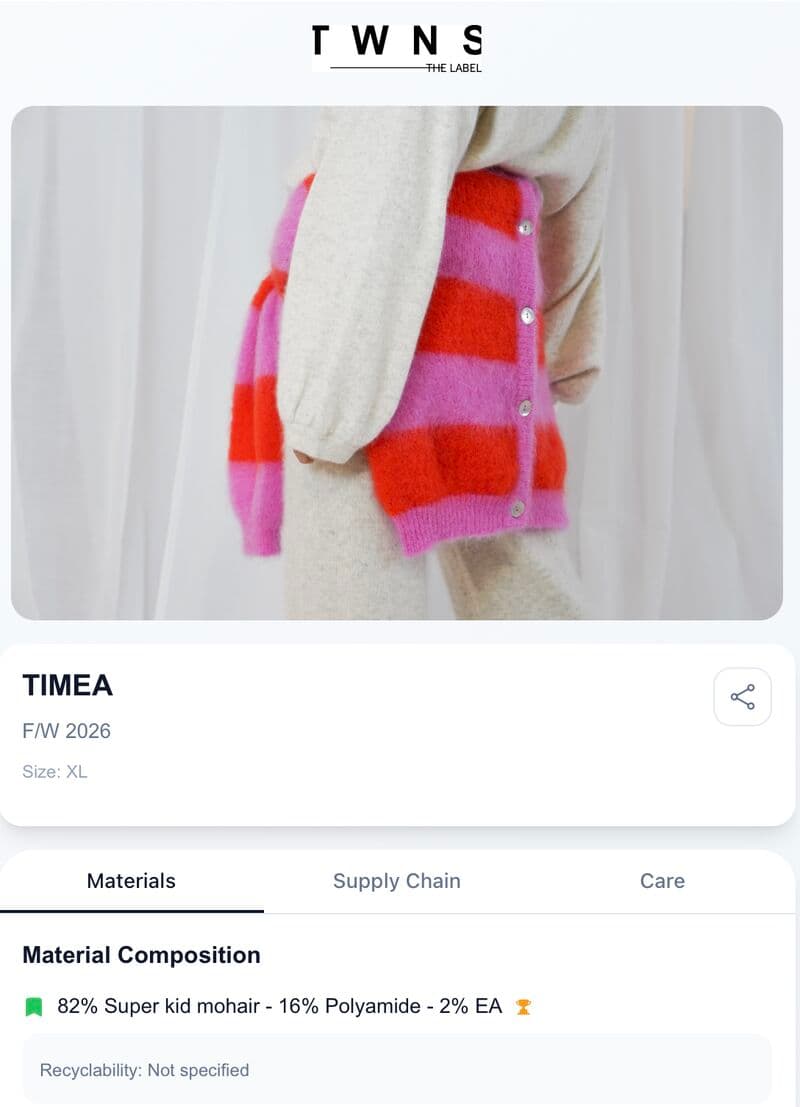
Passport creation integrated into seasonal production workflows across multi-country sourcing, with labels produced alongside the goods.
 Upcycled fashion & accessories · Live DPP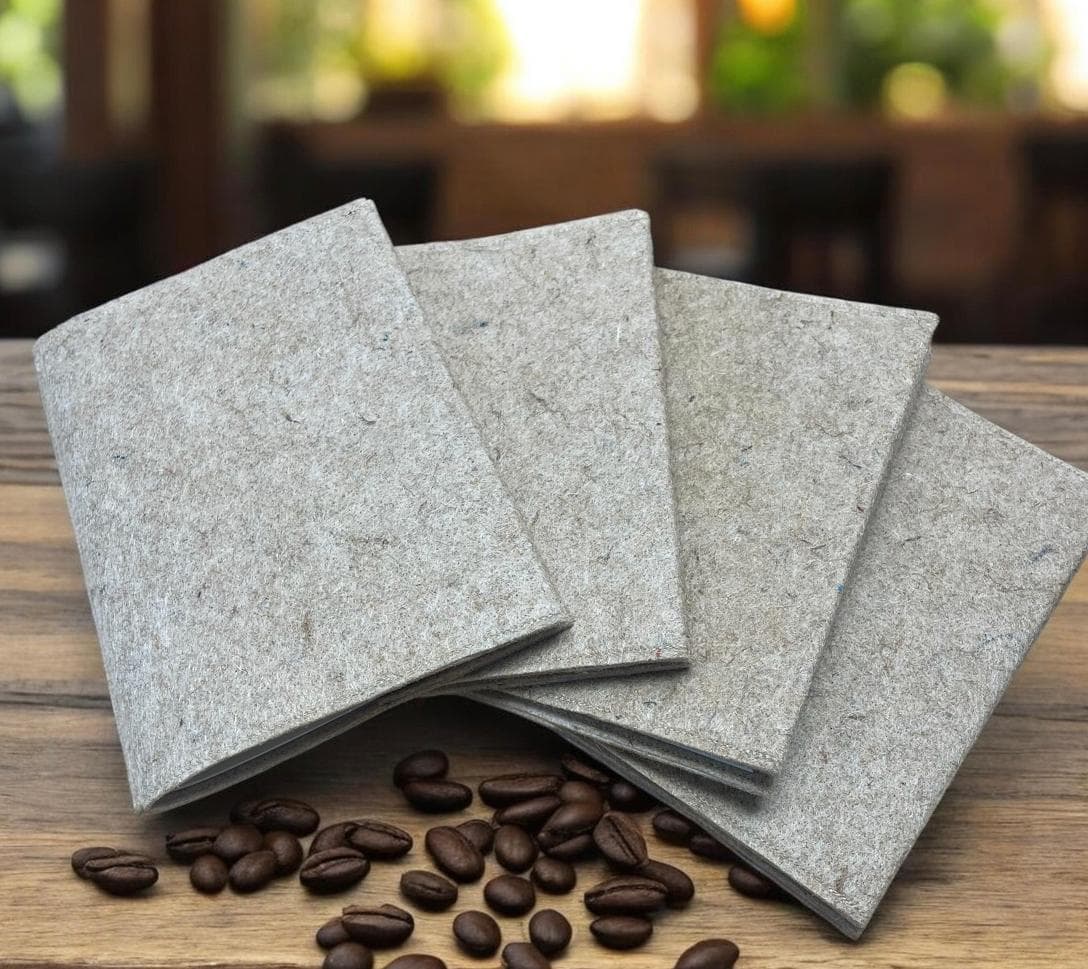
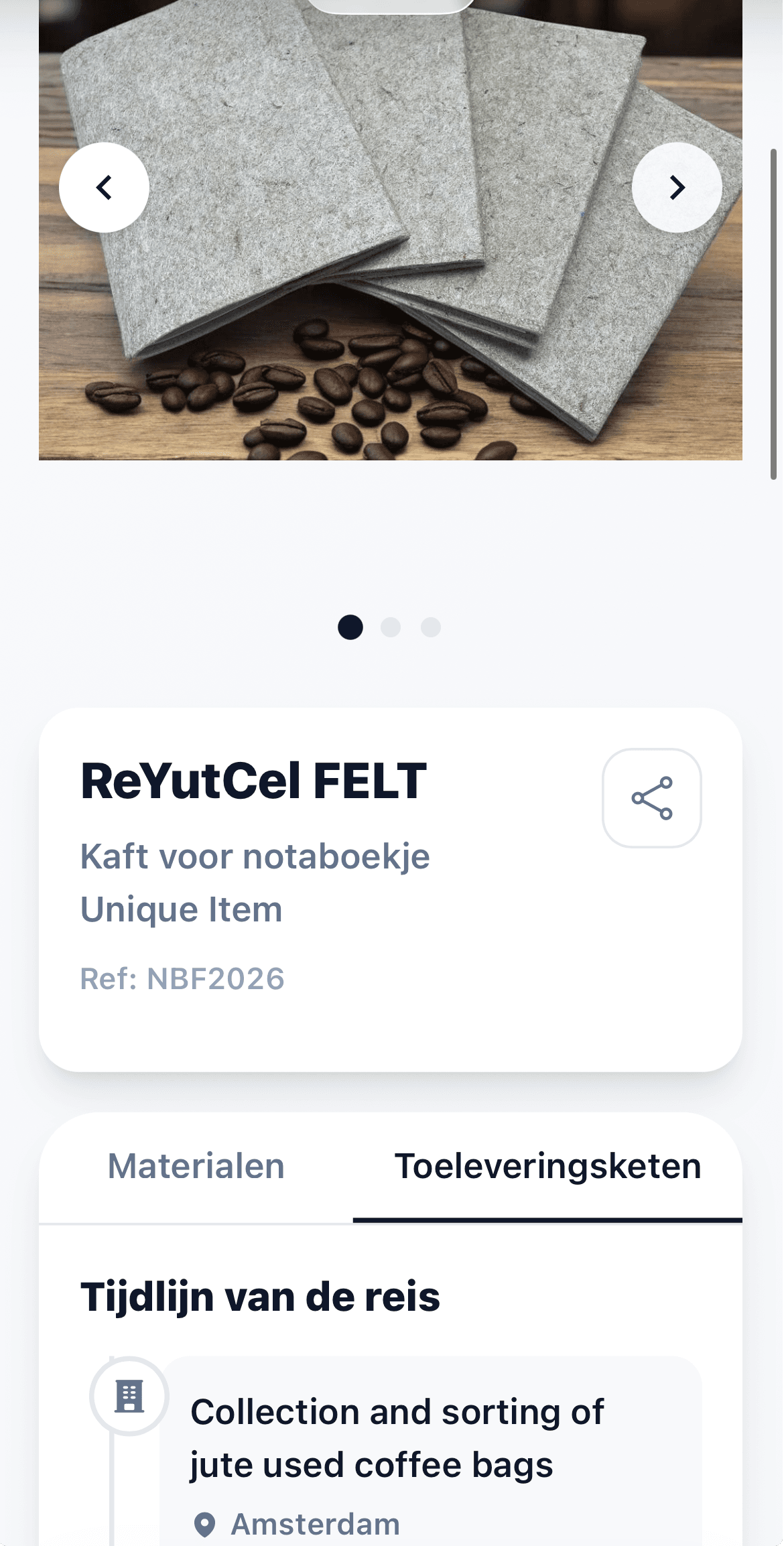
Sylvia Calvo transforms reclaimed jute coffee sacks into unique fashion and lifestyle products. A Digital Product Passport connects each creation to its materials, provenance and circular story — from the emptied coffee bag to the finished piece.
 Home textiles · Live DPP
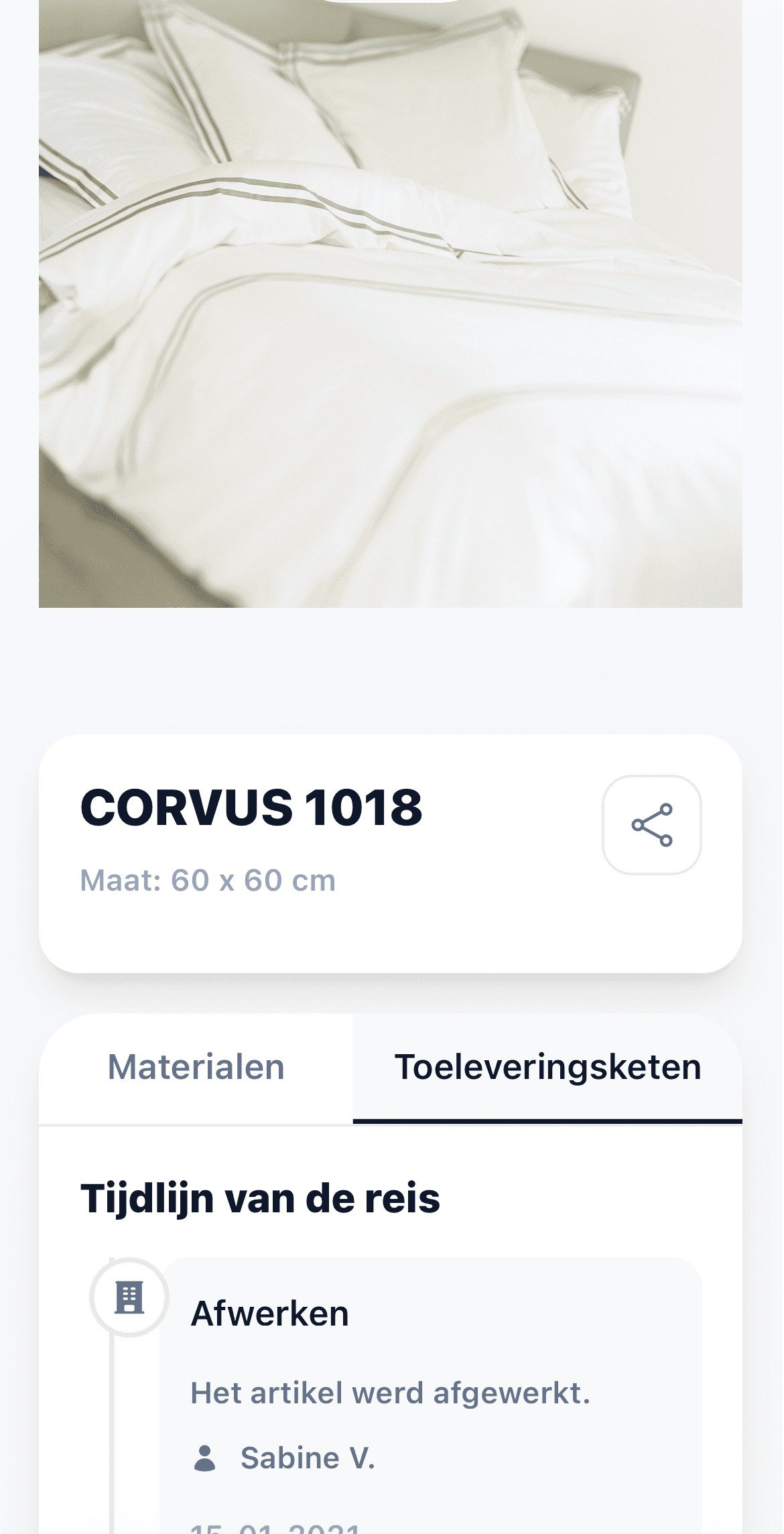
Home textiles with material, care and provenance information attached to the product — the CORVUS 1018 bed linen carries its own passport, finishing step and all.
 Specialty coffee · Live DPP
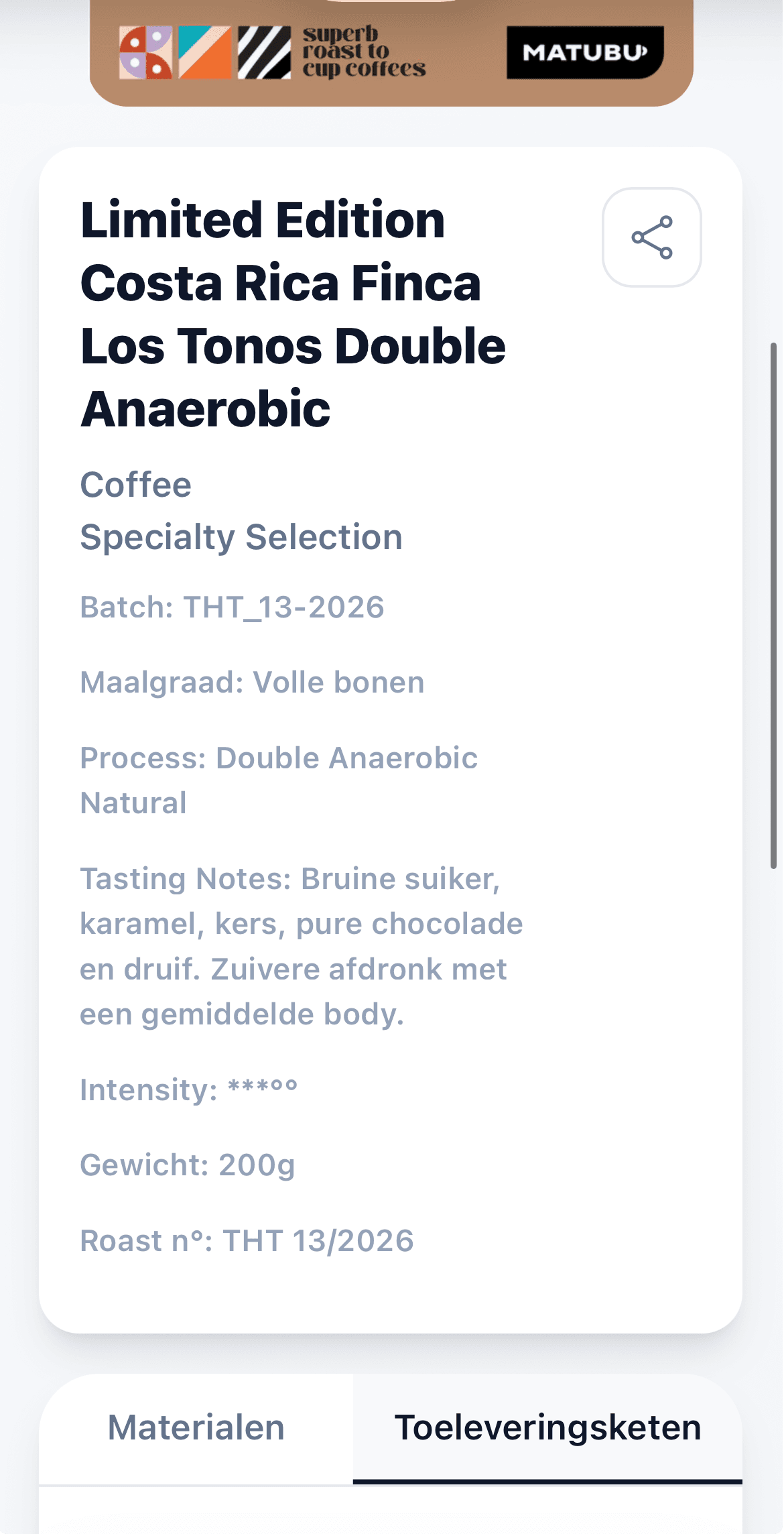
Specialty coffee where each roast and lot connects to its origin, producer, process and tasting notes — product identity bought for the customer relationship, not for a mandate.
Quifactum’s notebook
What we’re learning about Digital Product Passports — from regulation and standards to real-world implementation.
Battery passports are coming in 2027. What should smaller battery companies do now?
A practical guide for manufacturers, importers and smaller battery companies preparing for the EU Battery Passport — from scope and product data to individual battery identities and implementation.
Read guideWhat is a Digital Product Passport?
A practical guide to the EU Digital Product Passport, how it works, what it means for companies — and why the digital identity behind it can become useful far beyond compliance.
Read guideEU DPP regulation & timeline
When will Digital Product Passports become mandatory? Which products come first? And what should companies prepare for now?
Read guide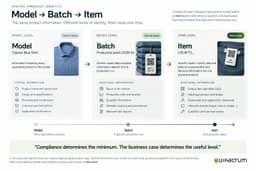
Model, batch or item-level DPP? Choosing the right granularity
Should a Digital Product Passport identify a product model, a production batch or every individual physical item? The answer depends on both regulation and what you want the product identity to do.
Read guideYour product data already exists. So why is creating a DPP still difficult?
Most companies already have much of the information they need for a Digital Product Passport. The real challenge is finding it, connecting it, validating it and keeping it up to date.
Read guideStill have a question about your own products?
Bring the product data you already have. Thirty minutes is usually enough to know where you stand.